In today’s fast-paced, technology-driven world, most employees spend hours seated at their desks, often hunched over computers, tablets, and smartphones. While this sedentary lifestyle is convenient and productive in many ways, it also comes with a host of health challenges. The rise of neck and back pain as a common workplace ailment is a direct result of poor posture and ergonomically unsound work environments. Fortunately, there are effective strategies to counter these issues, with chair massages standing out as a particularly beneficial approach.
The Importance of Ergonomics in the Workplace
Ergonomics, the science of designing and arranging workspaces and tools to fit the user, plays a crucial role in promoting employee health and productivity. A well-designed ergonomic workspace considers factors like desk height, chair support, screen placement, and the overall layout to ensure that employees can work comfortably and efficiently without straining their bodies.
Poor ergonomics can lead to a variety of health problems, including musculoskeletal disorders (MSDs), which affect muscles, nerves, blood vessels, ligaments, and tendons. Common examples of MSDs include carpal tunnel syndrome, tendinitis, and, most notably, neck and back pain. These issues not only cause discomfort but can also lead to decreased productivity, increased absenteeism, and higher healthcare costs for businesses.
The Impact of Poor Posture on Neck and Back Health
When employees sit for extended periods in poorly designed workspaces, they often adopt unnatural postures that put undue stress on their neck and back. Common posture-related problems include:
- Forward Head Posture: Often referred to as “tech neck,” this occurs when the head juts forward from the shoulders, leading to strain on the neck and upper back muscles.
- Rounded Shoulders: This posture, where the shoulders are pulled forward, is often the result of prolonged computer use and can cause tightness in the chest and weakness in the upper back.
- Slouching: Sitting with a rounded back, or slouching, compresses the spine and puts pressure on the discs, leading to lower back pain.
These postures, if not corrected, can result in chronic pain, stiffness, and even long-term damage to the spine. In turn, this can significantly affect an employee’s ability to focus and perform tasks efficiently.
The Role of Chair Massages in Promoting Ergonomic Wellness
While improving workplace ergonomics is a critical step in preventing posture-related issues, chair massages offer an additional layer of support in alleviating and reversing the effects of poor posture. Here’s how chair massages can make a significant difference:
1. Relieving Muscle Tension and Pain
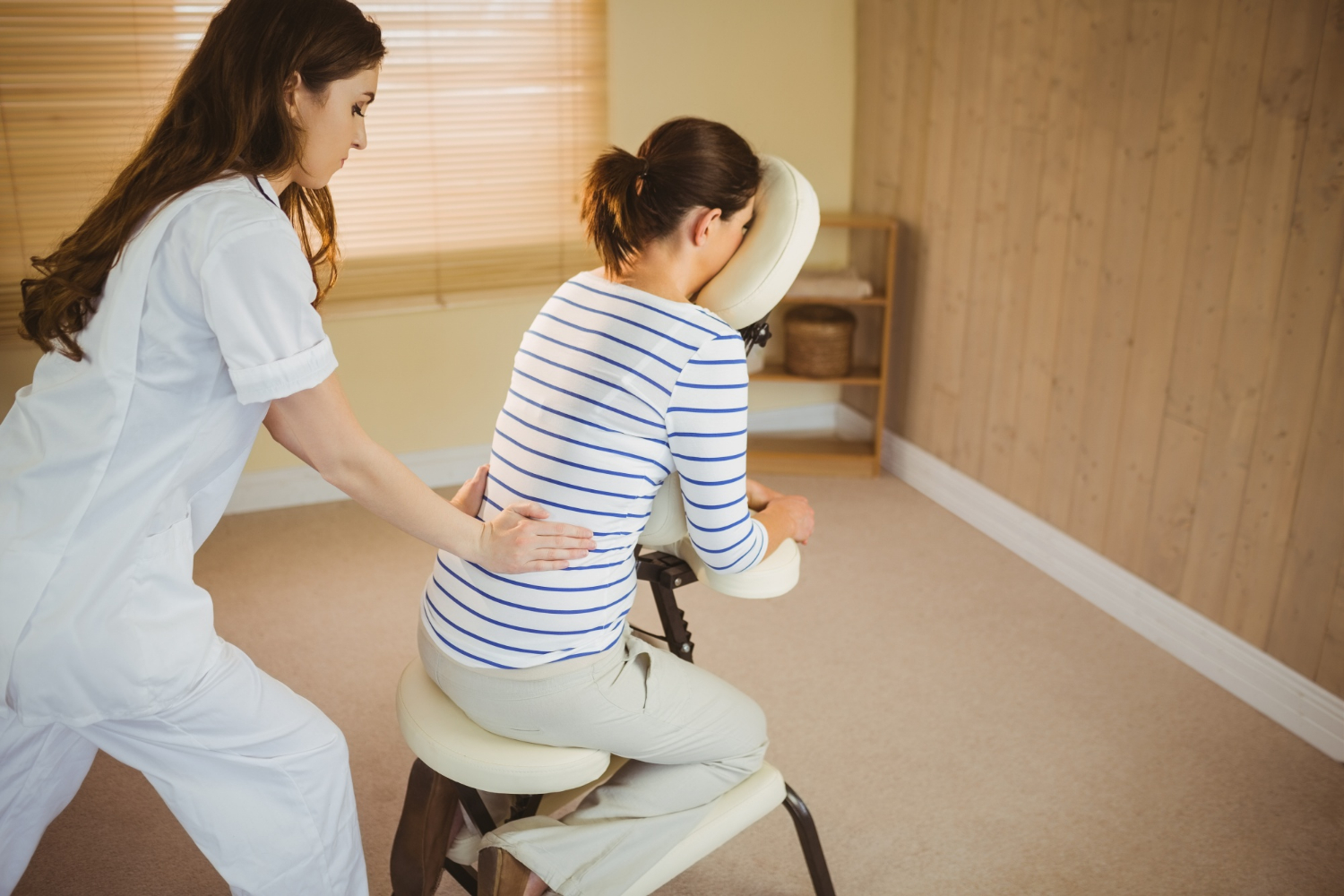
Chair massages are specifically designed to target areas of the body that are most affected by poor posture, such as the neck, shoulders, and lower back. Through techniques like kneading, compression, and trigger point therapy, chair massages help to release muscle tension, reduce stiffness, and alleviate pain in these areas.
For example, a massage therapist can work on the upper trapezius muscles, which often become tight due to forward head posture. By loosening these muscles, chair massages can reduce the strain on the neck and upper back, providing immediate relief from discomfort.
2. Improving Blood Circulation
Sitting for long periods can restrict blood flow, particularly in the lower back and legs. This can lead to fatigue, swelling, and discomfort. Chair massages stimulate blood circulation, helping to deliver oxygen and nutrients to muscles and tissues more effectively. Improved circulation can reduce the risk of developing musculoskeletal issues and can also enhance energy levels, keeping employees more alert and focused.
3. Encouraging Relaxation and Stress Reduction
Stress is a major contributor to muscle tension and poor posture. When employees are stressed, they are more likely to hold tension in their shoulders, neck, and back. Chair massages promote relaxation by triggering the release of endorphins, the body’s natural “feel-good” chemicals. This not only helps to relieve muscle tension but also reduces overall stress levels, contributing to a more positive and productive work environment.
4. Promoting Posture Awareness
One of the often-overlooked benefits of chair massages is their role in increasing posture awareness. During a massage session, employees become more conscious of the areas where they hold tension and how their posture contributes to this discomfort. This awareness can lead to more mindful posture practices, as employees may begin to correct their sitting positions throughout the day to avoid pain.
5. Complementing Ergonomic Improvements
While ergonomic furniture and equipment are essential, they are most effective when combined with regular movement and muscle care. Chair massages complement ergonomic efforts by addressing the physical effects of prolonged sitting and poor posture that even the best office setups cannot entirely prevent. By integrating chair massages into your workplace wellness program, you create a holistic approach to employee health that tackles both the cause and the symptoms of ergonomic issues.
Implementing Chair Massages in the Workplace

To maximize the benefits of chair massages, consider implementing a regular massage program within your organization. Here are some tips for getting started:
- Schedule Regular Sessions: Depending on the size of your workforce and the nature of their tasks, consider offering chair massages weekly, bi-weekly, or monthly. Regular sessions help to maintain muscle health and prevent the buildup of tension.
- Create a Comfortable Space: Designate a quiet, comfortable space in the office where massages can take place. Ensure that the environment is relaxing, with dim lighting and calming music if possible.
- Promote the Program: Encourage employees to take advantage of the chair massage sessions by promoting the benefits through internal communications. Share testimonials from colleagues who have experienced relief from pain and stress as a result of the massages.
- Track the Impact: Consider gathering feedback from employees about how the massage program has affected their comfort and productivity. Use this data to refine the program and demonstrate its value to company leadership.
Conclusion
Incorporating chair massages into your workplace wellness program is a powerful way to address the common issues of neck and back pain caused by poor posture and ergonomics. By relieving muscle tension, improving circulation, reducing stress, and promoting posture awareness, chair massages can play a crucial role in enhancing employee well-being and productivity. As businesses continue to prioritize the health of their employees, chair massages offer an effective and appreciated solution to one of the most pervasive workplace challenges.